Quick Answer: The GENIUS Act stable coin deadline was missed in a practical final-rule sense because key U.S. implementing rules were still not fully finalized by the one-year mark after enactment. That does not mean USDC, USDT, or stable coins are suddenly illegal, but it does extend uncertainty for issuers, exchanges, DeFi platforms, payment companies, and users. Crypto users should treat the delay as a reason to review where they hold stable coins, how they redeem them, and whether they understand issuer, exchange, and chain-level risks.
The GENIUS Act was supposed to move U.S. stable coin regulation from years of uncertainty into a clearer federal framework. Instead, the July 2026 milestone arrived with regulators still working through proposed rules, comments, and implementation details. For everyday crypto users, the delay is not a reason to panic-sell every stable coin. It is a reason to stop treating every dollar-pegged token as the same kind of dollar.
DTCC tokenized stocks are expected to move from limited production trades to a broader Tokenization Service launch in October 2026. For the full timeline and investor impact, see our guide to DTCC tokenized stocks.
What Happened With the GENIUS Act Deadline?
The GENIUS Act became law on July 18, 2025. Section 13 required primary federal payment stable coin regulators, the Treasury secretary, and state payment stable coin regulators to promulgate implementing regulations within one year, making July 18, 2026 the statutory rulemaking deadline.
The law also created a separate effective-date structure. It takes effect on the earlier of 18 months after enactment or 120 days after primary federal regulators issue final implementing regulations. Absent an earlier trigger from final rules, the fixed 18-month date is January 18, 2027.
Stable coins are crypto assets designed to track the value of currencies like the U.S. dollar, but they still come with issuer, tax, custody, and regulatory risks. Crypto users can review our full guide to stable coins explained before holding, trading, or earning yield on them.
That timing matters because proposed rules are not the same as final rules.
By mid-2026, regulators had started the process. The OCC had proposed rules covering issuer activities, reserves, redemption, risk management, audits, reporting, custody, applications, and supervision. Regulators were also working on Bank Secrecy Act, AML/CFT, sanctions, and customer-identification requirements. Important proposals were still open for comment, including a joint customer-identification-program proposal with comments due August 21, 2026.
In plain English: the law is real and the regulatory direction is clearer, but the complete final playbook was not fully locked by the statutory one-year deadline.
Why the GENIUS Act Matters for Stable coins
Stable coins are crypto tokens designed to hold a stable value, usually around $1. They are used for trading, transfers, DeFi, payments, and moving value between exchanges or blockchains.
The GENIUS Act matters because it moves payment stable coins toward a regulated issuer model. The law establishes requirements around who may issue payment stable coins, what reserves may back them, how issuers are supervised, how redemptions work, and what happens if an issuer fails.
For users, the core issue is simple: a stable coin is only as strong as the issuer, reserves, redemption process, legal structure, blockchain, and platform where it is held.
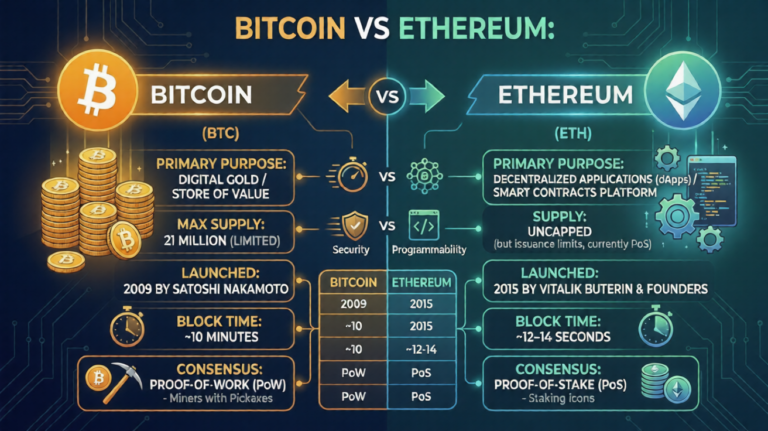
If you are new to digital assets, it helps to understand that stable coins are not the same thing as Bitcoin or Ethereum. Bitcoin is a decentralized asset with its own supply rules, while stable coins are typically issuer-backed tokens intended to track a fiat currency. For the broader crypto basics, see this guide on how Bitcoin works and the comparison of Bitcoin vs Ethereum.
Does the Missed Deadline Make USDC or USDT Illegal?
No. A delayed or incomplete rulemaking process does not automatically make USDC, USDT, or other stable coins illegal overnight.
The more realistic effect is uncertainty.
Until final rules are fully implemented, issuers and platforms may still be waiting for details on:
- Federal licensing and approval
- Reserve asset requirements
- Redemption standards
- Reporting and audits
- State versus federal oversight
- Foreign issuer treatment
- AML and sanctions compliance
- Customer identification rules
- Custody and segregation standards
- Exchange and wallet obligations
That uncertainty can affect how exchanges list stable coins, how issuers structure U.S. operations, and how payment companies decide whether to integrate stable coins.
What It Means for USDC
USDC is commonly positioned around U.S. regulatory compliance and reserve disclosures, which may give it a more straightforward path into a U.S. payment-stable coin framework than some foreign-issued or less transparent tokens. That is not a legal determination, and it does not make USDC risk-free.
USDC users still need to consider:
- Where the token is held
- Whether they can redeem directly or only through an exchange
- Which blockchain version they hold
- Smart-contract risk
- Exchange custody risk
- Temporary depeg risk
- Account freeze or compliance restrictions
- Network bridge risk
- Tax reporting when used in trades
The GENIUS Act delay may be less disruptive for stable coins already designed around U.S. compliance, but final rules can still affect how USDC is issued, distributed, reported, redeemed, and used in apps.
What It Means for USDT
USDT is widely used in global crypto trading and international markets. Its U.S. regulatory path is more complicated because its issuer structure and global footprint differ from a U.S.-centered issuer model.
The GENIUS Act includes a path for foreign payment stable coin issuers, but that path depends on regulatory comparability, registration, supervision, lawful-order capability, and other requirements. If final U.S. rules are strict, foreign issuers may need to decide how far they want to go to maintain access to U.S. users and regulated U.S. platforms.
For USDT users, the delay means:
- No complete final-rule clarity yet
- Continued platform-by-platform treatment
- Possible future restrictions on some U.S. exchanges or services
- More importance placed on redemption access and liquidity
- More need to understand counterparty and jurisdiction risk
USDT may remain deeply liquid in global crypto markets, but liquidity is not the same as regulatory certainty.
USDC vs USDT After the GENIUS Act Delay

The practical difference is not just “which stable coin is bigger?” It is which stable coin better fits your use case and risk tolerance.
| Factor | USDC | USDT |
|---|---|---|
| Common positioning | More U.S.-compliance oriented | More global-liquidity oriented |
| Key GENIUS Act question | How final U.S. issuer and distribution rules apply | How foreign-issuer registration and U.S. platform access apply |
| Common use case | U.S.-based platforms, payments, DeFi, and on/off ramps | Global trading pairs, offshore liquidity, and cross-border crypto markets |
| Main user risks | Platform, chain, depeg, and compliance-freeze risk | Issuer-jurisdiction, platform-access, liquidity-route, and chain risk |
| Best user habit | Confirm redemption and custody route | Confirm exchange support, withdrawal, and liquidity route |
An important distinction is that, according to Tether, the company has launched a separate federally regulated, dollar-backed stable coin called USA₮ for the U.S. market, while USDT remains its global product. As a result, future U.S. regulations may not affect USDT and USA₮ in the same way.
The safer choice depends on what you are doing. A trader moving between global exchanges may think differently from a U.S. user holding stable coins as a temporary cash substitute.
What Crypto Exchanges May Do Next
Exchanges may respond before every final rule is fully tested in court or practice. Large platforms usually do not wait until the last minute to adjust compliance systems.
Possible exchange actions include:
- Updating stable coin listing standards
- Requiring more user identity checks
- Limiting certain stable coins for U.S. users
- Adding issuer disclosures
- Changing redemption and withdrawal rules
- Removing unsupported blockchain versions
- Restricting high-risk jurisdictions
- Updating terms of service
- Asking users to convert certain tokens
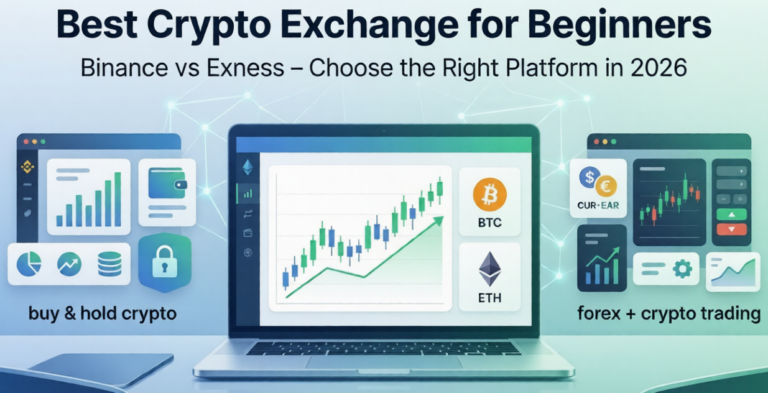
For beginners, the exchange decision matters as much as the token decision. A stable coin held on a weak or poorly regulated exchange can create risk even if the token itself is widely used. Before choosing where to trade or hold crypto, review what to check in a crypto exchange for beginners.
What DeFi Users Should Watch
DeFi users face a different set of risks because stable coins are often used inside lending pools, liquidity pools, bridges, perpetual-futures platforms, and automated strategies.
The GENIUS Act delay could affect DeFi through:
- Stable coin liquidity shifts
- Changes in exchange on/off ramps
- Issuer blacklisting or freeze functions
- Bridge and wrapped-token risk
- Collateral haircut changes
- Lending protocol risk settings
- Reduced access for U.S. users
- Compliance pressure on front-end interfaces
A stable coin can remain worth about $1 on one exchange while becoming harder to use in a specific DeFi protocol or chain. Users should not only ask, “Is the stable coin still pegged?” They should ask, “Can I exit where I actually use it?”
Are Stable coins FDIC Insured?
Generally, no. Stable coins are not the same as insured bank deposits.
The GENIUS Act expressly prohibits representing payment stable coins as backed by the full faith and credit of the United States, guaranteed by the U.S. government, or subject to federal deposit or share insurance. A token that tracks the U.S. dollar therefore does not automatically give you FDIC insurance, Federal Reserve backing, or the same legal rights as money in an insured bank account.
This distinction matters because many people use stable coins as if they are “cash on-chain.” They may be cash-like for trading or transfer purposes, but they are not identical to checking or savings balances at an insured bank.
If you are keeping emergency cash or short-term savings, an insured bank account or an appropriately chosen Treasury-backed cash option may be more suitable than a stable coin. Stable coins may be useful tools, but they should not replace basic cash-safety planning.
Practical Checklist for USDC, USDT and Stable coin Users

Use this checklist before holding a large stable coin balance.
| Question | Why it matters |
|---|---|
| Who issued the stable coin? | Issuer structure affects reserves, redemption, and legal oversight |
| Can I redeem directly? | Exchange-only exits add platform risk |
| Which chain am I using? | USDC or USDT on one chain can have different operational risk from another chain |
| What platform holds my token? | Custody risk may be bigger than stable coin risk |
| Is the token supported in my country or state? | Rules and platform access can differ by jurisdiction |
| What happens if the stable coin depegs? | You need an exit plan before stress hits |
| Are there withdrawal limits? | Limits matter during market panic |
| Could my account be frozen? | Compliance tools may restrict funds in certain cases |
| Am I earning “yield”? | Yield can add lending, exchange, leverage, or DeFi risk |
| Is this money I need soon? | Essential cash should not depend on crypto infrastructure |
The Stable coin Risk Scorecard
Use this simple scorecard before deciding how much to hold in one stable coin.
| Risk factor | Lower risk | Medium risk | Higher risk |
|---|---|---|---|
| Issuer transparency | Frequent, clear reporting | Limited or delayed reporting | Reserves are difficult to verify |
| Redemption access | Direct redemption available | Exchange redemption only | Unclear exit path |
| Platform custody | Strong controls and clear regulation | Mixed track record | Unknown or offshore-only platform |
| Chain risk | Native token on a major supported chain | Smaller supported chain | Bridge or wrapped version |
| Holding purpose | Short trading settlement | Multi-week parking | Emergency savings or essential funds |
| Concentration | Small share of liquid assets | Meaningful share | Most liquid assets in one token |
If several rows fall in the higher-risk column, reduce concentration before a crisis forces the decision.
What This Means for Everyday Crypto Users
The GENIUS Act delay does not mean stable coins are unusable. It means users should stop treating regulatory clarity as already complete.
For most users, the practical steps are:
- Do not keep more in stable coins than you can afford to risk.
- Split platform risk instead of holding everything on one exchange.
- Understand whether you hold native tokens or bridged versions.
- Avoid chasing stable coin yield without understanding the counterparty.
- Keep emergency cash outside crypto.
- Watch issuer and exchange announcements.
- Save transaction records for taxes.
- Be careful with fake “GENIUS Act compliance” scams.
Regulatory uncertainty often attracts scammers. If someone claims a special wallet, exchange, or token is “officially approved by the GENIUS Act,” verify before connecting a wallet or sending funds. Crypto users should also review basic fraud protections in this guide on how to avoid Bitcoin scams.
What Could Happen Next
1. Regulators finalize rules without major surprises
This would reduce uncertainty and could help compliant issuers, exchanges, custodians, and payment companies move forward.
2. Rules create a split between U.S.-approved and non-approved stable coins
Some stable coins may become easier to use on U.S.-regulated platforms, while others may remain more common offshore or in DeFi.
3. Foreign issuers face tougher access decisions
Foreign stable coin issuers may need to register, restructure, or limit U.S. access depending on final rules and comparability determinations.
4. Exchanges adjust faster than users expect
Platforms may change listings, withdrawal support, or eligibility before users fully understand the reason.
5. Stable coin yield products face more scrutiny
Even when issuer-paid rewards are restricted, exchanges, lending platforms, and DeFi protocols may face pressure around products that resemble deposit substitutes.
Common Mistakes
Assuming a delayed rule means nothing changes
The delay does not erase the law. It stretches the transition period. Issuers and exchanges may still adjust before the Act becomes effective or final enforcement begins.
Treating USDC and USDT as identical
Both aim to track $1, but their issuer structures, regulatory positioning, liquidity patterns, and platform treatment can differ.
Holding emergency savings in stable coins
Stable coins can be useful for crypto transactions, but essential emergency cash should not depend on exchanges, wallets, private keys, blockchains, or issuer redemption.
Chasing yield without reading the risk
Stable coin yield often comes from lending, market making, leverage, or platform risk. A high yield is not the same as an insured bank savings rate.
Ignoring chain and bridge risk
Holding USDC or USDT on a bridged or less-supported chain can make exits harder during stress.
Waiting for panic to plan an exit
The time to test withdrawals, redemption routes, and exchange limits is before a depeg, freeze, hack, or regulatory announcement.
Quick Summary
- The GENIUS Act rulemaking deadline was missed in a practical final-rule sense because key implementing regulations were still not complete by July 18, 2026.
- The law is still real, and regulators had already issued proposals covering issuer supervision, reporting, AML/CFT, sanctions, and customer identification.
- USDC may fit more naturally into a U.S.-compliance framework, but it is not risk-free.
- USDT remains globally important, but U.S. rules may create more foreign-issuer and platform-access questions.
- Stable coins are not FDIC-insured bank deposits.
- Crypto users should review issuer risk, exchange risk, redemption access, chain risk, and yield exposure.
- The smartest response is not panic, but better stable coin hygiene and lower concentration risk.
Frequently Asked Questions
Did the GENIUS Act deadline really get missed?
The statutory one-year rulemaking deadline arrived on July 18, 2026 while important parts of the stable coin framework were still in proposed-rule or comment stages. The deadline was therefore missed in a practical final-rule sense, even though regulators had already started the implementation process.
Does the delay mean stable coins are unregulated?
No. Stable coins already face a mix of federal, state, sanctions, anti-fraud, consumer-protection, money-transmission, and platform rules. The GENIUS Act is designed to create a clearer federal payment-stable coin framework, but the delay means some implementation details remain unsettled.
Is USDC safer than USDT after the GENIUS Act delay?
USDC may be better positioned for U.S. regulatory alignment, while USDT remains highly used in global crypto markets. “Safer” depends on where you hold the token, how you redeem it, which chain you use, and whether you rely on a platform or direct issuer access.
Will USDT be banned in the United States?
A blanket answer is not possible from the delay alone. Final rules could affect how foreign issuers register, how U.S. platforms list stable coins, and how users access certain tokens. Watch exchange and issuer announcements instead of assuming an immediate ban.
Are stable coins protected like bank deposits?
No. Stable coins are not the same as FDIC-insured bank deposits. Even a well-backed stable coin can involve issuer risk, platform risk, wallet risk, chain risk, and redemption risk.
Should I sell all my stable coins now?
Not necessarily. Review why you hold them, where they are stored, whether you can exit, and how large the position is relative to your overall finances. Stable coins should not be used as a substitute for emergency cash.
What should crypto users do before final rules arrive?
Keep stable coin balances intentional, avoid overconcentration, confirm withdrawal and redemption routes, reduce exposure to risky yield products, and stay alert for exchange policy changes. Also watch for scams pretending to offer “official” GENIUS Act compliance services.
What Crypto Users Should Do This Week
Start with a simple stable coin audit. List every place you hold USDC, USDT, or another dollar-pegged token. Note the platform, blockchain, amount, withdrawal options, redemption route, and whether the funds are being lent or used in DeFi. Then decide which balances are truly needed for trading or transfers and which should move back to safer cash or a better-understood account.
Reviewed by: The Finance Orbit Editorial Team
Reviewed and updated: July 20, 2026
Disclaimer: This article is for general educational and informational purposes only and does not constitute financial, investment, tax, legal, insurance, crypto, or credit advice. Products, rates, laws, limits, eligibility rules, platforms, tokens, stable coin reserves, regulatory status, and terms can change. Verify current information and consult a qualified professional for advice specific to your circumstances.




 before deciding how much money to put in. ## How to Buy Bitcoin: How It Works Buying Bitcoin usually follows the same basic process in most countries. 1. Choose a crypto exchange, broker, wallet app, or peer-to-peer marketplace. 2. Create an account. 3. Verify your identity if required. 4. Add a payment method. 5. Search for Bitcoin or BTC. 6. Enter the amount you want to buy. 7. Review the price, spread, and fees. 8. Confirm the purchase. 9. Secure your account and decide where to store the BTC. You can buy a fraction of Bitcoin. One Bitcoin is divisible into 100,000,000 satoshis, often called sats. ### Bitcoin purchase formula **Bitcoin received = money spent ÷ Bitcoin price** Example: | Item | Amount | | ------------------------- | ---------: | | Amount spent | $200 | | Bitcoin price | $80,000 | | Estimated BTC before fees | 0.0025 BTC | If the platform charges a $3 fee or uses a wide spread, the actual BTC received will be lower. Always check the final preview screen before confirming. ## How to Buy Bitcoin: Real-World Examples by Country Bitcoin access varies by country. Some countries have regulated exchanges and bank transfers. Others rely more on peer-to-peer trading, local payment apps, or offshore platforms. Rules can also change quickly, so verify current local law before buying. ### How to Buy Bitcoin in the USA U.S. buyers should be especially careful about platform selection because not every global exchange legally serves U.S. customers. A practical U.S. process: 1. Choose a platform that is available to U.S. residents and follows U.S. compliance rules. 2. Verify your identity with a government-issued ID. 3. Link a bank account, debit card, wire transfer, or approved payment method. 4. Search for BTC. 5. Buy a small test amount first. 6. Enable two-factor authentication. 7. Record your purchase price, fee, date, and transaction details. 8. Consider moving long-term holdings to a personal wallet after learning wallet safety. U.S. buyers should also understand taxes. Selling Bitcoin, exchanging it for another crypto asset, using it for purchases, or receiving it as income can create tax-reporting obligations. The IRS says taxpayers must report digital asset transactions on their tax returns. ([Finance Orbit][1]) ### How to Buy Bitcoin in the UAE UAE buyers should check whether the platform is approved or permitted in the relevant emirate and whether local banking support is available. A practical UAE process: 1. Choose a platform that supports UAE users and local payment methods. 2. Verify your identity with an Emirates ID, passport, or required document. 3. Deposit AED if supported, or use an approved payment rail. 4. Buy BTC. 5. Review trading fees, conversion fees, and withdrawal fees. 6. Secure the account with two-factor authentication. 7. Use a personal wallet for larger long-term holdings if you understand private-key safety. Dubai has a more developed virtual-asset regulatory framework than many regions, but users should still verify the current status of any provider before depositing money. ### How to Buy Bitcoin in the UK, Canada, Europe, India, Nigeria, and Other Countries The process is similar globally, but rules and payment options differ. | Region or country | Common buying method | Main thing to check | | ----------------- | ---------------------------------------------- | ------------------------------------------------ | | United States | U.S.-available exchange or broker | Tax records, state access, platform registration | | United Kingdom | FCA-compliant or locally available platform | Crypto promotion rules and bank restrictions | | Canada | Canadian-supported exchange | Provincial rules, tax reporting, deposit limits | | European Union | EU-available exchange | MiCA-related provider status and local tax rules | | UAE | Locally supported exchange or broker | Emirate-level rules and banking support | | India | Exchange or approved local method | Tax rules, TDS, banking access | | Nigeria | P2P, local exchange, or approved payment route | Banking rules, fraud risk, spreads | | Pakistan | P2P or offshore platform where available | Legal uncertainty and payment risk | | Brazil | Local or global exchange | Tax reporting and local payment fees | | Philippines | Local or global exchange | Platform registration and wallet security | This table is only a starting point. Always verify current rules in your jurisdiction before buying. ## How to Buy Bitcoin Around the World If you are buying Bitcoin outside the United States, focus less on global brand names and more on local availability, legal status, payment rails, and withdrawal access. Ask these questions before using any platform: * Does the platform legally serve my country? * Can I deposit and withdraw in my local currency? * Are bank transfers cheaper than card purchases? * Does the platform let me withdraw Bitcoin to my own wallet? * What is the spread between buy and sell prices? * Are there withdrawal fees or network fees? * Is customer support available in my language? * Does the platform require identity verification? * What happens if my bank blocks the transfer? * Are there local tax-reporting rules? If a platform is not clear about fees, withdrawals, ownership, or legal availability, do not rush. ## Best Platforms for People Learning How to Buy Bitcoin There is no single best Bitcoin platform for every country. A good beginner platform should be easy to use, transparent about fees, and clear about whether you are buying real Bitcoin or only trading Bitcoin price exposure. ### Crypto exchanges Crypto exchanges let users buy, sell, and sometimes withdraw Bitcoin. A good beginner exchange should have: * Clear country availability * Strong account security * Transparent fees and spreads * Bank transfer support where possible * Bitcoin withdrawals * Proof of identity process * Clear tax documents where available * Reasonable customer support * No promises of guaranteed returns For platform-selection details, review [best crypto exchange for beginners](https://thefinanceorbit.com/best-crypto-exchange-for-beginners-in-2026/) before choosing where to open an account. ### Crypto brokers and fintech apps Some brokers and fintech apps make Bitcoin buying simple, but they may charge higher spreads or limit withdrawals. Check whether you can: * Withdraw real Bitcoin * Transfer to an external wallet * View fees before buying * Use limit orders * Download tax documents * Access customer support If the platform does not allow Bitcoin withdrawals, you may only have price exposure inside that app. ### Bitcoin ATMs Bitcoin ATMs can be convenient, but they often charge high fees and wide spreads. They may also require identity verification depending on location and amount. Use extra caution with Bitcoin ATMs if someone is pressuring you to deposit cash, pay a bill, send money to a stranger, or “protect” funds from a fake government or bank warning. Those are common scam patterns. ### Peer-to-peer marketplaces Peer-to-peer buying means buying Bitcoin directly from another person through a marketplace or local payment method. P2P can help in countries with limited banking access, but it adds counterparty risk. Use P2P only if: * The platform has escrow protection. * The seller has strong history. * You understand payment reversal risk. * You avoid off-platform deals. * You never release payment before receiving Bitcoin. * You keep chat and payment records. * You start with a small test transaction. ## Spot Bitcoin vs Bitcoin CFDs and Derivatives Beginners should understand the difference between buying real Bitcoin and trading Bitcoin price exposure. | Product | Do you own BTC? | Best for | Main risk | | ----------------- | --------------------------------- | ------------------------------------------ | ------------------------------------- | | Spot Bitcoin | Yes, if withdrawals are supported | Long-term holding, transfers, self-custody | Price volatility, custody risk | | Bitcoin ETF | No direct BTC ownership | Brokerage-based exposure | Market risk, fund fees, trading hours | | Bitcoin CFD | No | Short-term price trading where legal | Leverage, losses, broker risk | | Bitcoin futures | No physical wallet ownership | Advanced trading and hedging | Leverage, margin calls, complexity | | Crypto perpetuals | No direct spot ownership | Advanced crypto traders | Liquidation risk, funding rates | If your goal is to own Bitcoin, buy spot BTC on a platform that allows withdrawal to a Bitcoin wallet. If you are using ETFs, CFDs, futures, or perpetuals, you are getting price exposure, not the same thing as holding Bitcoin in a wallet. ## Key Benefits of Buying Bitcoin in 2026 ### 1. You can start with a small amount You do not need to buy a full Bitcoin. Many platforms allow small purchases, sometimes starting around $1 to $10 depending on the country and payment method. Start small while learning. A small test purchase can teach you how fees, order previews, wallet addresses, and withdrawals work without risking too much. ### 2. Bitcoin trades 24/7 Bitcoin trades on global crypto markets around the clock. That flexibility can help users in different time zones, but it also means the price can move sharply overnight, on weekends, or during holidays. Do not assume you can ignore risk because the market is always open. ### 3. It can be held personally If you withdraw Bitcoin to a personal wallet, you can hold it without relying on an exchange balance. That is a major feature of Bitcoin, but it also creates responsibility. If you lose your private keys or recovery phrase, no bank can reset the account for you. ### 4. It can support cross-border transfers Bitcoin can be sent globally, but that does not always mean it is the cheapest or best remittance tool. Network fees, exchange fees, local currency conversion, tax rules, and receiver access all matter. ### 5. It can fit a long-term portfolio for some investors Some investors use Bitcoin as a small high-risk allocation alongside stocks, bonds, cash, real estate, and retirement accounts. If you are deciding between Bitcoin and more traditional investments, compare it with your broader plan. For long-term portfolio math, an [investment return calculator](https://thefinanceorbit.com/investment-return-calculator/) can help you test different assumptions. ## How Much Bitcoin Should a Beginner Buy? A beginner should start with an amount small enough that a major price drop would not damage essential finances. A practical starting framework: | Situation | Possible first purchase | | ----------------------------------------- | -------------------------: | | Just learning how the platform works | $10–$25 | | Comfortable testing small market exposure | $50–$100 | | Building a long-term position slowly | 1%–5% of investable assets | | No emergency fund or high-interest debt | Consider waiting | Do not buy Bitcoin with rent money, emergency savings, tuition money, tax money, or borrowed money. Before buying Bitcoin, consider whether you have: * Paid essential bills * Built at least a small cash cushion * Avoided high-interest debt * Understood the risk of total loss * Chosen a secure platform * Created a plan for taxes and records If you are still building financial basics, this [emergency fund vs investing](https://thefinanceorbit.com/emergency-fund-vs-investing/) guide can help you decide whether to save cash before buying risk assets. ## Bitcoin Fees Beginners Should Know The price shown on a Bitcoin chart is not always the full cost of buying. Watch for: | Fee or cost | What it means | | ------------------------- | -------------------------------------------- | | Trading fee | Fee charged to buy or sell | | Spread | Difference between quoted buy and sell price | | Deposit fee | Cost to add money | | Card fee | Extra fee for debit or credit card purchases | | Withdrawal fee | Fee to send Bitcoin off the platform | | Network fee | Blockchain transaction cost | | Currency conversion fee | Cost to convert local currency | | Inactivity or account fee | Platform-specific fee that may apply | Bank transfers are often cheaper than card purchases, but they may take longer. Card purchases are faster but often more expensive. Always review the final amount of BTC you will receive before confirming. ## How to Store Bitcoin After Buying After buying Bitcoin, you have two main choices: keep it on the platform or move it to a personal wallet. ### Keeping Bitcoin on an exchange This may be easier for small balances and beginners, but it creates platform risk. Pros: * Simple * Easy to sell * Password recovery may be available * No wallet setup required * Tax documents may be easier Cons: * Exchange can freeze withdrawals * Platform can be hacked * Account can be compromised * You do not control private keys * Withdrawal rules can change ### Moving Bitcoin to a personal wallet A personal wallet gives you more control, but also more responsibility. Pros: * You control the private keys * Less platform custody risk * Useful for long-term holding * Can receive and send directly Cons: * Losing the recovery phrase can mean permanent loss * Sending to the wrong address can be irreversible * Hardware wallet setup requires care * Scams and fake wallet apps are common A common beginner approach is to keep a small learning amount on an exchange and use a hardware wallet or secure self-custody setup only after understanding wallet safety. ## How to Buy Bitcoin Safely: Step-by-Step Guide ### Step 1: Check your local rules Before signing up, confirm Bitcoin buying is allowed in your country or state and whether there are tax-reporting rules. ### Step 2: Choose a reputable platform Look for legal availability, clear fees, security controls, withdrawal support, customer support, and transparent terms. ### Step 3: Create the account Use a unique email address and a strong password. Do not reuse a password from another site. ### Step 4: Complete identity verification Many regulated platforms require identity verification. This may include a passport, driver’s license, national ID, selfie check, proof of address, or tax information. ### Step 5: Add a payment method Compare bank transfer, debit card, wire transfer, local payment app, and P2P options. Choose the method that balances cost, speed, and safety. ### Step 6: Buy a small test amount Start with a small amount. Confirm you understand the order preview, fee, spread, and final BTC amount. ### Step 7: Enable two-factor authentication Use an authenticator app or security key where possible. Avoid relying only on SMS if stronger options are available. ### Step 8: Decide on storage For small amounts, platform custody may be enough while learning. For larger long-term holdings, research hardware wallets and recovery phrase security. ### Step 9: Keep records Save purchase date, amount spent, BTC received, fee, platform, wallet address, and transaction ID. Records matter for taxes and security. ### Step 10: Build a long-term plan Decide whether you are buying once, buying monthly, trading, or holding. A [dollar-cost averaging](https://thefinanceorbit.com/dollar-cost-averaging/) plan can reduce timing pressure if you are building exposure gradually. ## Common Bitcoin Scams to Avoid Bitcoin scams target beginners because crypto transactions are difficult or impossible to reverse. Avoid: * Guaranteed return platforms * Fake exchange apps * Fake wallet apps * “Double your Bitcoin” promotions * Romance scams * Fake government or bank calls * Bitcoin ATM payment scams * Recovery phrase requests * Fake customer support accounts * Influencer pump groups * Cloud mining guarantees * “Send crypto to unlock withdrawals” scams * Fake investment managers No legitimate exchange, wallet company, government agency, or support agent should ask for your recovery phrase. For a deeper fraud checklist, read [how to avoid Bitcoin scams](https://thefinanceorbit.com/how-to-avoid-bitcoin-scams/) before sending Bitcoin to anyone. ## Bitcoin Taxes and Records Bitcoin taxes depend on your country. In the United States, Bitcoin is generally treated as property for federal tax purposes. That means tax consequences may arise when you sell, exchange, spend, or otherwise dispose of BTC. Keep records of: * Purchase date * Purchase amount * Fee * BTC received * Wallet address * Exchange or broker * Sale date * Sale amount * Cost basis * Gains or losses * Transfers between your own wallets A transfer from one wallet you control to another wallet you control is usually different from selling Bitcoin, but fees and records still matter. If you trade often, use multiple exchanges, receive rewards, or use Bitcoin for payments, tax reporting can become complicated. Consider using crypto tax software or a qualified tax professional. ## Bitcoin vs Ethereum for First-Time Buyers Many beginners ask whether they should buy Bitcoin or Ethereum first. Bitcoin is often viewed as the original crypto asset and a scarce digital store-of-value-style asset. Ethereum is a programmable blockchain used for smart contracts, DeFi, NFTs, stablecoins, and decentralized applications. | Feature | Bitcoin | Ethereum | | -------------------- | --------------------------------------------- | ----------------------------------------- | | Main role | Digital asset and decentralized money network | Smart contract platform | | Native asset | BTC | ETH | | Supply model | Fixed maximum supply by protocol | Different issuance and burn mechanics | | Main beginner appeal | Simplicity and brand recognition | Utility across apps and DeFi | | Main risk | Volatility and custody risk | Volatility, smart contract ecosystem risk | Neither is risk-free. If you want the full comparison, review [Bitcoin vs Ethereum](https://thefinanceorbit.com/bitcoin-vs-ethereum/) before buying both. ## Should You Buy Bitcoin All at Once or Over Time? Some buyers invest a lump sum. Others use dollar-cost averaging. A lump sum can work if you already have cash set aside, understand volatility, and will not panic if the price drops. Dollar-cost averaging means buying a fixed dollar amount on a schedule, such as weekly or monthly. It may help beginners avoid the pressure of choosing the perfect price. Example: | Monthly buy | 12-month total | | ----------- | -------------: | | $25 | $300 | | $50 | $600 | | $100 | $1,200 | | $250 | $3,000 | DCA does not guarantee profit or protect against losses. It simply spreads entry points over time. ## Common Mistakes Beginners Should Avoid ### Using a platform that does not serve your country Do not assume a global exchange is available everywhere. If a platform does not legally serve your region, account access and withdrawals can become difficult. ### Buying before checking all fees A low trading fee can be offset by a high spread, card fee, withdrawal fee, or currency conversion fee. ### Leaving security until later Enable two-factor authentication before buying. A hacked account can be expensive. ### Sending Bitcoin to the wrong address Bitcoin transactions are irreversible. Always test with a small transfer before moving a larger amount. ### Using leverage as a beginner Leverage can liquidate your position quickly. Beginners should learn spot buying before using futures, CFDs, margin, or perpetuals. ### Treating Bitcoin like guaranteed income Bitcoin has no guaranteed return. Avoid platforms or influencers promising fixed profits. ### Ignoring taxes Tax records are much easier to keep from the beginning than to rebuild years later. ## Quick Summary * The safest way to buy Bitcoin is to use a reputable platform, verify identity, start small, check fees, and secure the account. * You do not need to buy a whole Bitcoin because BTC is divisible into satoshis. * U.S. buyers should keep tax records because Bitcoin sales, trades, and payments may create tax-reporting obligations. * Spot Bitcoin ownership is different from ETFs, CFDs, futures, and other price-exposure products. * Platform custody is convenient, but personal wallets give more control and more responsibility. * Beginners should avoid leverage, fake exchanges, guaranteed-return schemes, and social media hype. * A small test purchase and a clear storage plan are better than rushing into a large buy. ## Frequently Asked Questions ### How do I buy Bitcoin for the first time? Choose a reputable platform available in your country, create an account, verify your identity, add a payment method, search for BTC, enter a small amount, review the fees, and confirm the purchase. After buying, enable two-factor authentication and decide whether to keep the BTC on the platform or move it to a personal wallet. ### Can I buy Bitcoin with $10? Yes, many platforms allow small Bitcoin purchases. You do not need to buy a full Bitcoin because BTC is divisible into small units called satoshis. The exact minimum depends on the platform and payment method. ### What is the safest way to buy Bitcoin? The safest beginner method is to use a reputable, legally available platform, avoid leverage, enable strong two-factor authentication, start with a small purchase, and keep careful records. For larger long-term holdings, learn self-custody before transferring Bitcoin to a personal wallet. ### Is Bitcoin legal to buy worldwide? Bitcoin is legal or accessible in many countries, but rules vary and can change. Some countries restrict trading, banking access, exchanges, mining, or payments. Always check current local laws and tax rules before buying. ### Do I need a wallet to buy Bitcoin? You do not need a personal wallet for the first purchase if you buy through an exchange or broker. However, if you want full control of your Bitcoin, you need a wallet that lets you hold your own private keys. Learn wallet safety before transferring large amounts. ### Is buying Bitcoin the same as buying a Bitcoin ETF? No. Buying spot Bitcoin gives you BTC exposure directly, especially if you can withdraw it to a wallet. Buying a Bitcoin ETF gives you regulated brokerage exposure to Bitcoin price movements through a fund, not direct wallet ownership of BTC. ### Can I lose money buying Bitcoin? Yes. Bitcoin can lose value quickly, and you can also lose money through scams, fees, hacks, wrong wallet addresses, leverage, or tax mistakes. Only buy what you can afford to risk. ## Start With One Safe Bitcoin Purchase Plan Do not rush into Bitcoin because of a price headline or social media post. Choose a legitimate platform, buy a small test amount, enable two-factor authentication, record the transaction, and learn how withdrawals work before increasing your exposure. The goal is not to buy Bitcoin as fast as possible. The goal is to buy it safely, understand the risks, and avoid beginner mistakes that are hard to reverse. Reviewed by: The Finance Orbit Editorial Team Reviewed and updated: July 22, 2026 Disclaimer: This article is for general educational and informational purposes only and does not constitute financial, investment, tax, legal, insurance, crypto, or credit advice. Products, rates, laws, limits, eligibility rules, platform availability, fees, token prices, tax treatment, wallet features, exchange terms, and regulations can change. Verify current information and consult a qualified professional for advice specific to your circumstances. [1]: https://thefinanceorbit.com/how-to-buy-bitcoin-worldwide/ "How to Buy Bitcoin Worldwide in 2026: Complete Beginner's Guide"](https://thefinanceorbit.com/wp-content/uploads/2026/05/how-to-buy-bitcoin-worldwide-2026.webp-768x432.jpg "How to Buy Bitcoin in 2026: Safe Beginner’s Guide 12")